Running know-how
Ultramarathon: distances, legendary places and how to run your first ultra
At some point in many running careers, someone says it out loud: "What comes after the marathon?" The answer is simple. More. Welcome to the world of ultras, where 42.195 is just the warm-up.
In short: An ultramarathon is any race longer than a marathon, so more than 42.195 kilometres. The classic distances are 50K, 50 miles (about 80 km), 100K and 100 miles (about 161 km). The best way in is a 50K with a generous cut-off.
What counts as an ultra?
Technically, any race longer than a marathon is an ultramarathon. In practice there are a few classic distances:
- 50 km. The gateway ultra. Only about eight kilometres more than a marathon, but often on trails, so it feels like a different sport.
- 50 miles (about 80 km) and 100 km. Here eating, pacing and your head become as important as your legs.
- 100 miles (about 161 km). The big one. Most runners need more than a day, and finishing is the goal for almost everyone.
- Timed and multi-day races. 6 hours, 24 hours, stage races across deserts, or backyard formats where you run the same loop every hour until only one runner is left.
Road or trail?
Most ultras run on trails and mountains, with thousands of metres of climbing. That changes everything: you walk the steep uphills (everyone does, even the winners), you carry your own kit and you measure progress in hours, not kilometres. Road ultras exist too, and some of the oldest and biggest are on tarmac.
Places every ultrarunner dreams of
- Chamonix and Mont Blanc. Around 170 km and about 10,000 metres of climbing through France, Italy and Switzerland. Late August, the whole valley turns into an ultra festival.
- Durban. The roughly 90 km road race between Durban and Pietermaritzburg has been run since 1921, with the direction switching between "up" and "down" years. One of the oldest ultras in the world.
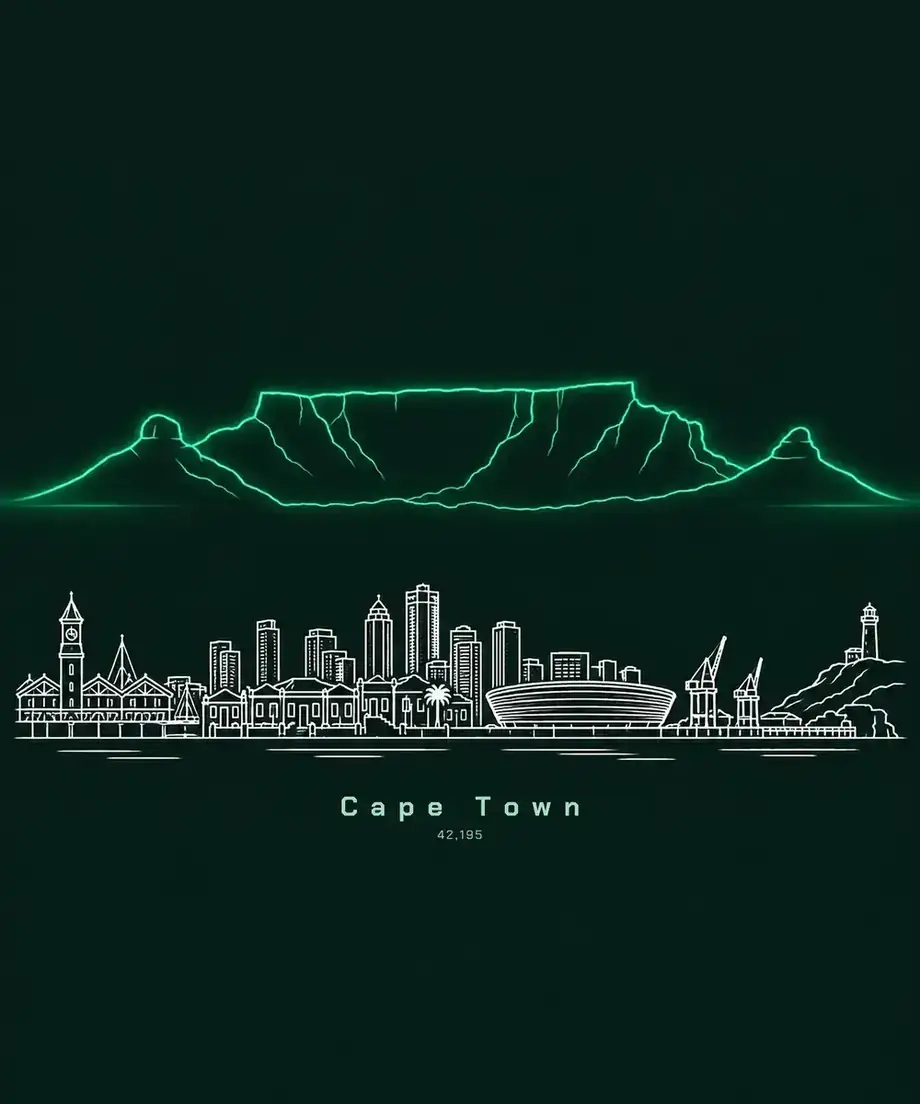
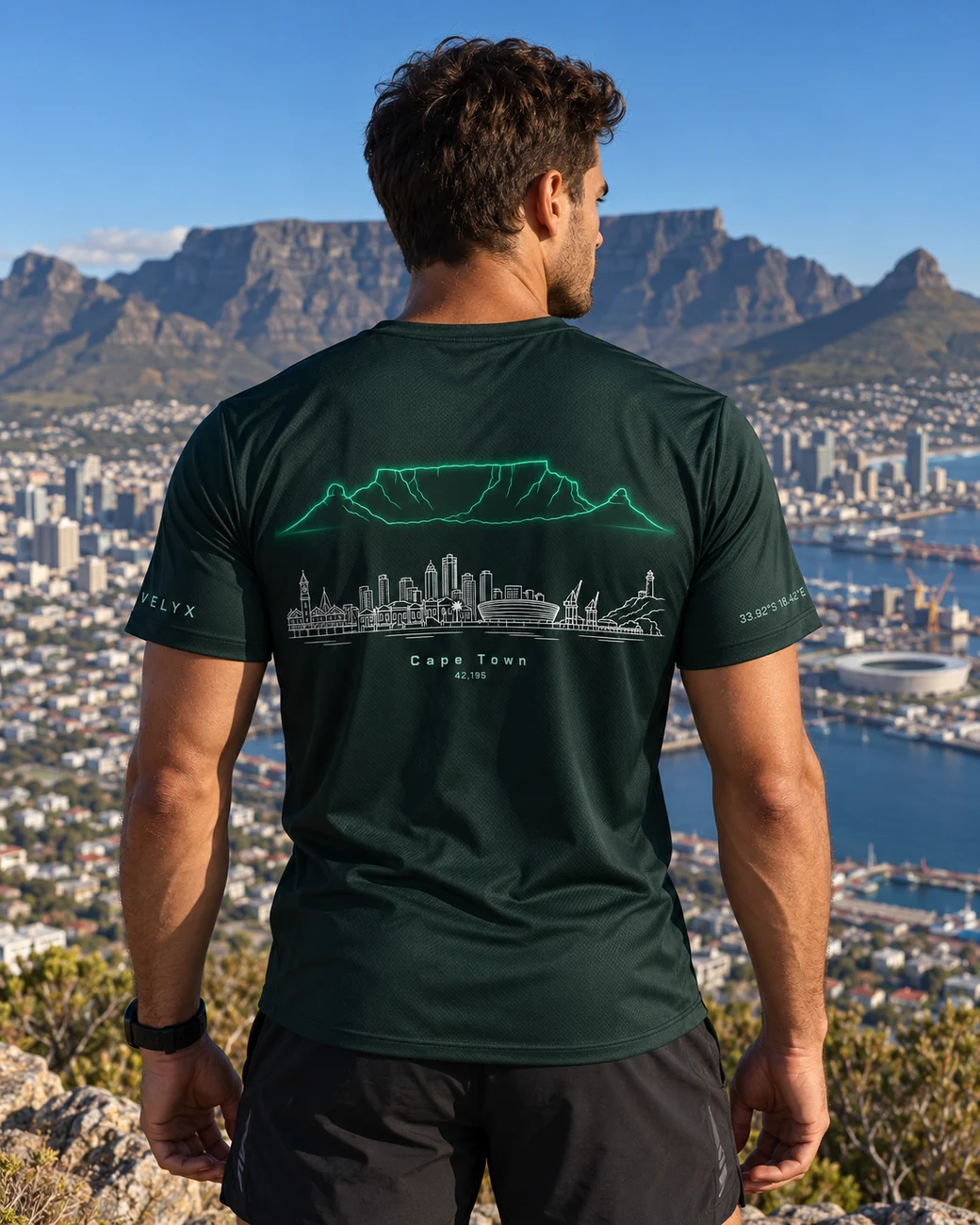
- Cape Town. 56 km around the Cape Peninsula, between two oceans, with Chapman's Peak as the view you earn.
- Hong Kong. 100 km along the trails of the New Territories, ending far from the skyline most people know.
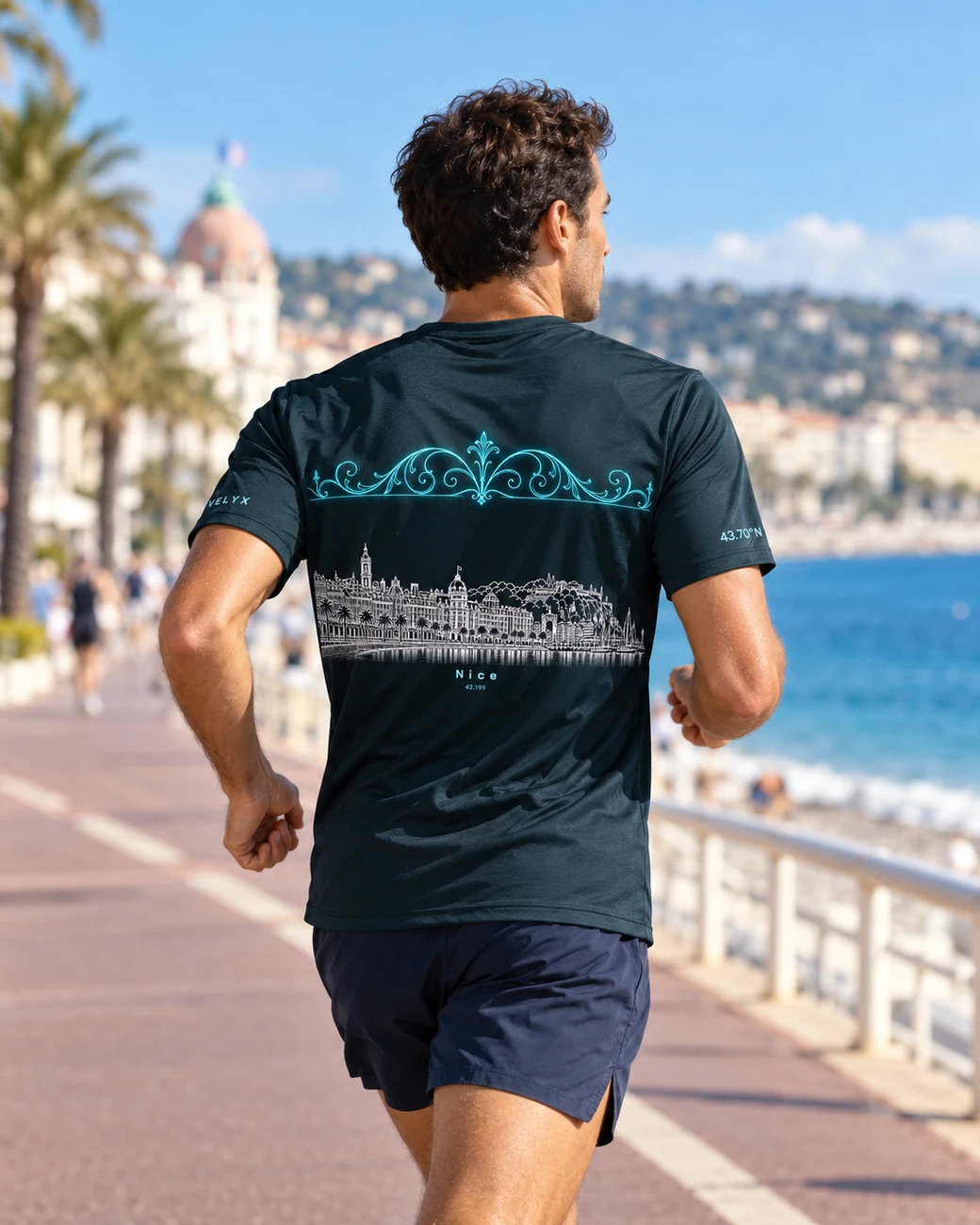
- Nice. The Côte d'Azur has its own 100-mile mountain race, from the Alps down to the sea.
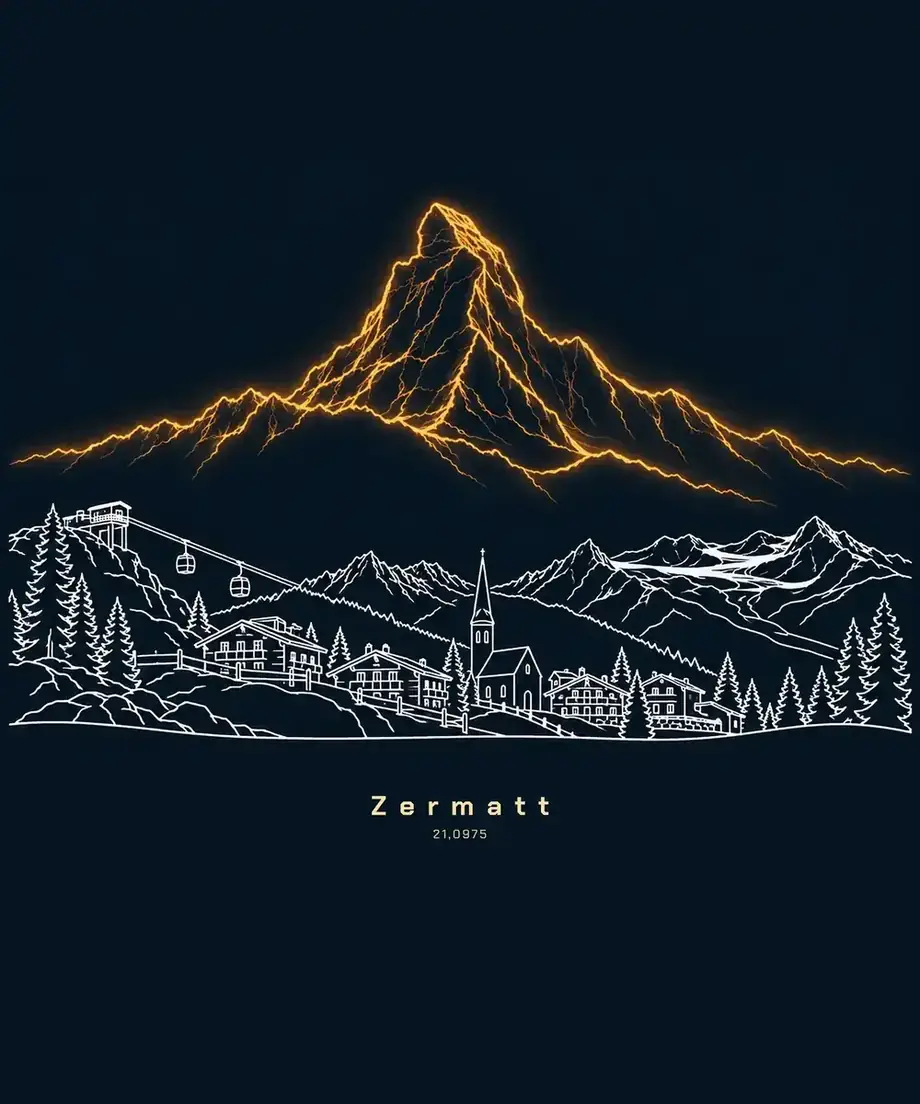
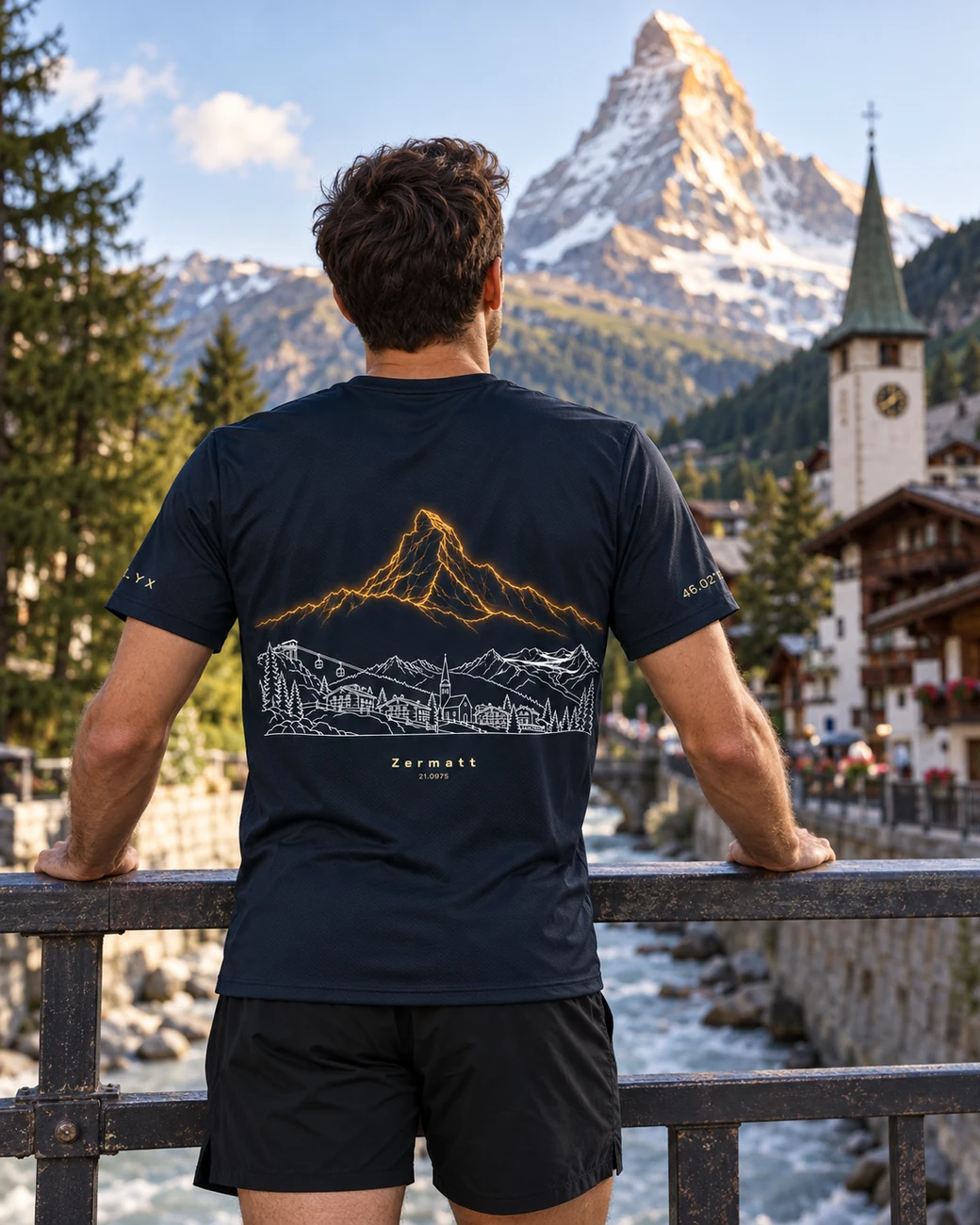
- Zermatt. Trail ultras under the Matterhorn, where the altitude does half the work.
- Sparta, Death Valley, the Sierra Nevada. The legends: 246 km from Athens to Sparta, 135 miles through the desert heat, 100 miles across the Sierra. Names that make runners go quiet.
How to prepare for your first ultra
- Start with a 50K. Ideally a trail race with generous cut-offs. You do not need to jump from marathon to 100 miles.
- Train time on your feet. Long, slow runs and hikes count. Back-to-back long runs on a weekend (for example Saturday and Sunday) teach your legs to run tired.
- Practise eating while running. In an ultra, food is not optional. Test gels, bars and real food in training, not on race day.
- Walk the hills. Power hiking is a skill. Practise it.
- Know the kit list. Many trail ultras have mandatory gear: jacket, headlamp, water, emergency blanket. Train with your vest fully packed.
- Respect the cut-offs. Intermediate time limits are part of the race. Plan your pace around them.
Beyond 42.195 on your back
At VELYX the distance on the back has always been the full number, 42.195 or 21.0975. Now the collection goes further: ultra versions with the real distance of the place, like 171 for Chamonix, 56 for Cape Town or 90 for Durban. Same idea as always: the place and the distance, no race logo needed. You will find many of these places already in the shop as marathon or half marathon shirts, for example Cape Town, Hong Kong, Nice and Zermatt.
Still building up to it? Start with the basics: 42.2 and 21.1, what the numbers mean.
Frequently asked questions
How far is an ultramarathon?
Any race longer than 42.195 kilometres counts as an ultramarathon. The shortest ultras are usually 50K, the best-known long distances are 100K and 100 miles (about 161 km).
What ultramarathon distances are there?
The classic distances are 50K, 50 miles (about 80 km), 100K and 100 miles. There are also timed races such as 6 or 24 hours, multi-day stage races and backyard formats.
How do I start running ultramarathons?
With a 50K, ideally on a trail with generous cut-offs. In training, time on your feet matters most: long easy runs at the weekend, eating while running and fast hiking uphill.
How long does a 100-mile race take?
Most runners need more than 24 hours. On mountain races such as around Mont Blanc the cut-offs are around two days.